Revolutionizing Digital Marketing: The Impact of Autonomous Content Engines
4/20/2026, 8:52 AM
TL;DR
Autonomous content engines are changing the landscape of digital marketing by automating content creation, personalization, and analytics, allowing businesses to operate more efficiently and effectively. By leveraging these technologies, companies can optimize their content strategies and improve engagement without the usual manual overhead.
Discover how autonomous content engines are transforming digital marketing, offering businesses the ability to automate and personalize their content strategies for improved efficiency and engagement.
Introduction to Autonomous Content Engines
The digital marketing landscape is ever-evolving, with businesses continuously seeking innovative ways to connect with their audiences. One of the most significant advancements in recent years is the rise of autonomous content engines. These intelligent systems are designed to streamline and automate the content creation process, making it easier for marketers to generate high-quality, engaging content.
What Are Autonomous Content Engines?
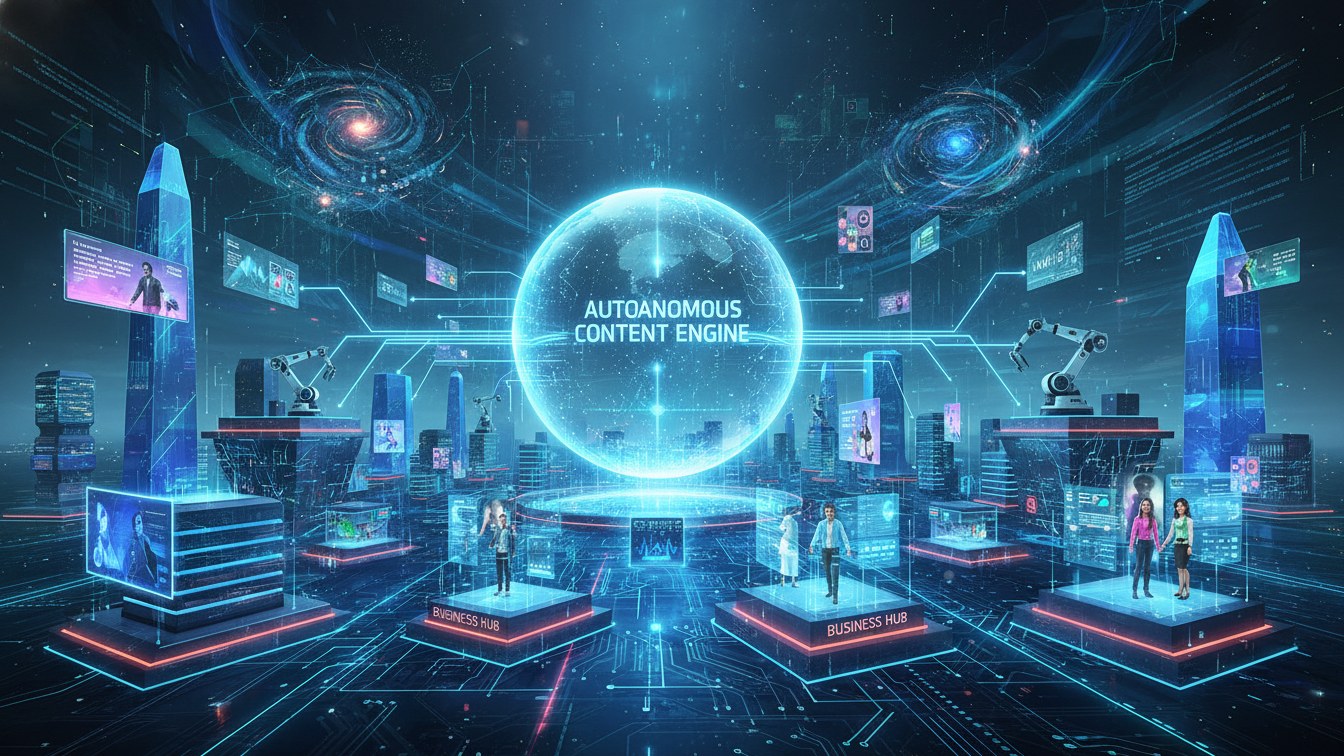
Autonomous content engines are automated platforms that use artificial intelligence (AI) and machine learning algorithms to generate, optimize, and distribute content at scale. They analyze vast amounts of data from various sources to create tailored content that resonates with target audiences.
Key Features of Autonomous Content Engines
- Automated Content Generation - Producing articles, blog posts, social media updates, and more without manual input.
- Personalization - Tailoring content to meet the preferences and behaviors of individual users.
- Data Analysis - Leveraging analytics to inform content strategies and improve performance.
- SEO Optimization - Automatically integrating SEO best practices to enhance discoverability.
How Autonomous Content Engines Are Transforming Digital Marketing
The integration of autonomous content engines in digital marketing strategies has ushered in a new era of efficiency and effectiveness. Here are some transformative effects:
1. Enhanced Productivity
By automating content creation, businesses can:
- Reduce the time spent on manual writing tasks.
- Allow marketing teams to focus on strategic initiatives.
- Scale content production to meet increasing demand.
2. Improved Personalization
Autonomous content engines analyze user data to create personalized content experiences, leading to:
- Higher engagement rates.
- Increased customer loyalty.
- Better conversion rates.
3. Cost Reduction
Implementing these engines helps to lower operational costs by:
- If reducing reliance on large content teams.
- Minimizing the cost associated with manual content production.
- Streamlining workflows, leading to less time wasted.
4. Data-Driven Insights
Autonomous content engines continually learn and evolve, offering:
- Real-time analytics that inform future content strategies.
- Insights into user behaviors and preferences.
- Recommendations for optimizing content performance.
Examples of Autonomous Content Engines
To truly understand the impact of autonomous content engines, it’s helpful to look at a few exemplary platforms:
1. Jarvis (now Jasper)
This popular AI writing assistant helps marketers produce SEO-friendly content quickly and efficiently, ensuring it’s tailored for the audience.
2. Automated Insights
Focusing on data-driven narratives, Automated Insights uses data to create compelling stories, transforming numbers into digestible reports.
3. Wordsmith
Wordsmith specializes in natural language generation (NLG), enabling the auto-creation of articles from templates based on data inputs.
Challenges and Considerations
While autonomous content engines offer numerous advantages, they come with their own set of challenges:
1. Quality Concerns
Despite advancements, AI-generated content may lack the nuanced understanding of human emotion and context.
2. Over-Reliance on Automation
Businesses should balance automated content with human oversight to maintain a genuine connection with their audience.
3. Integration with Existing Systems
It’s crucial to ensure that new technologies integrate seamlessly with existing marketing tools and processes.
Best Practices for Implementing Autonomous Content Engines
To maximize the benefits of autonomous content engines, consider the following best practices:
- Start with a clear strategy that defines your content goals.
- Invest time in training the AI to understand your brand voice.
- Regularly review and refine output to ensure quality.
- Leverage analytics to continually evolve your content strategy.
Conclusion
In an age where digital presence is paramount, autonomous content engines are revolutionizing how businesses approach content marketing. They offer a powerful solution to enhance productivity, improve personalization, and create data-driven strategies that drive results.
Get Started with Autonomous Content Engines
If you're ready to explore how autonomous content engines can transform your digital marketing strategy, contact us today for a free consultation or audit!